
D.RO leverages digital, software, and chipbased technologies to develop TWO-DIMENSIONAL PHASE SCANNING LOW-ALTITUDE AIR SURVEILLANCE RADAR. We have completed the design of TR, RF, SOC beamforming chips, and developed modular electronically scanned multi-beam arrays, offering products and technical support to domestic radar manufacturers and overseas customers. D.RO has applied for 1 patent, 6 software copyrights, and 2 utility model patents.
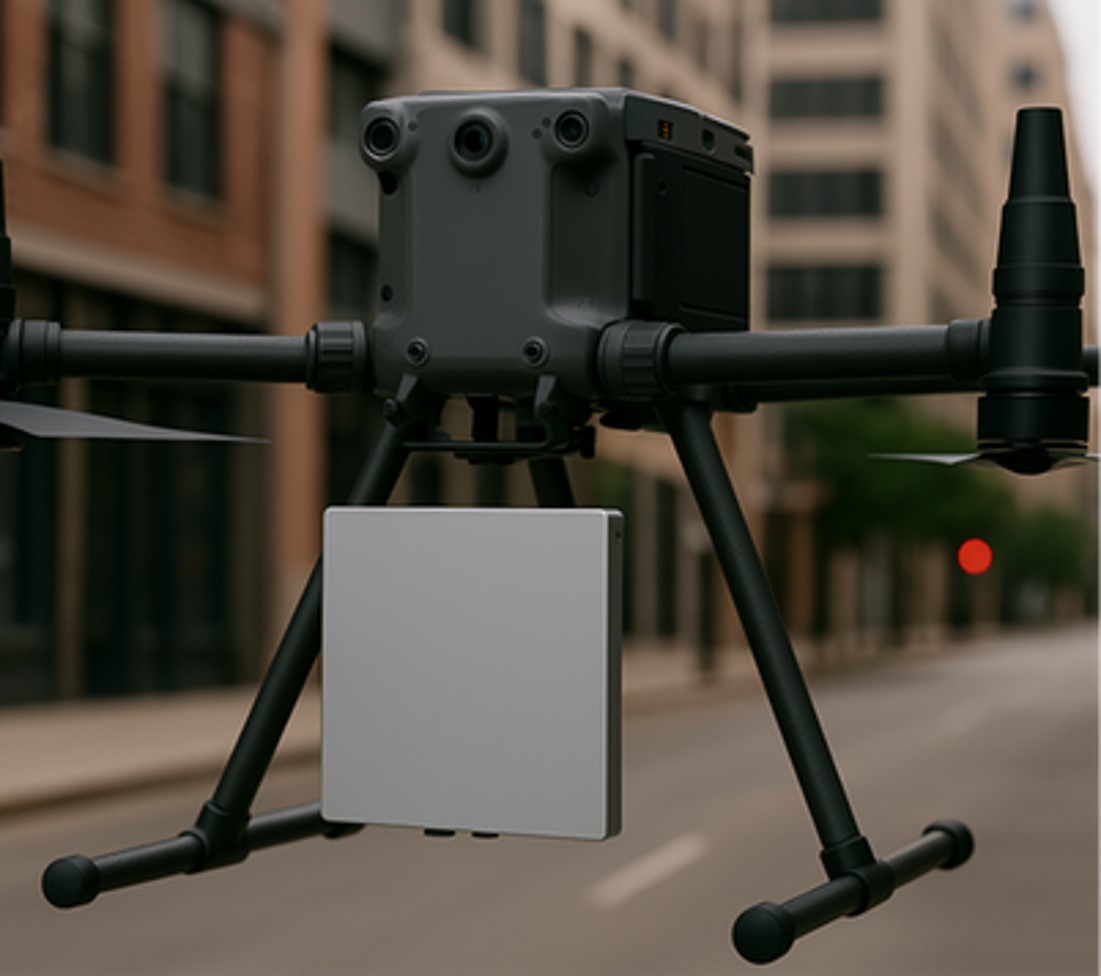
The Portable Low-Altitude Surveillance Radar utilizes a two-dimensional electronically scanned array (ESA) with a full digital system and chip array architecture. It is capable of actively searching, acquiring, and tracking various low-altitude aircraft and ground targets in key directions. The radar features a software-based design with multi-mode operational capabilities, allowing it to adapt to various complex scenarios and application requirements.
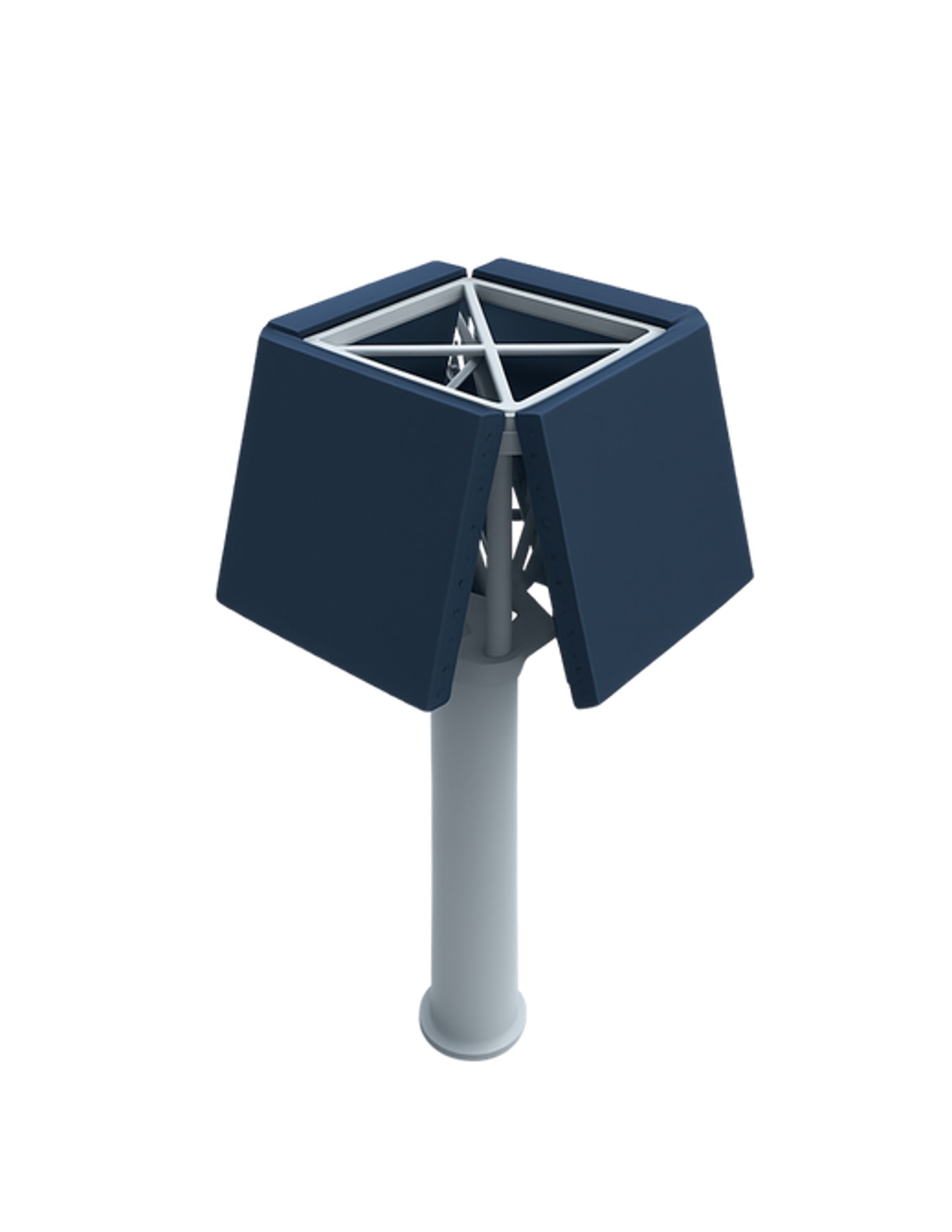
The radar uses a two-dimensional phase array technology system and operates in a two-dimensional phase scanning mode, enabling multiple beam forms for flexible space-time resource allocation. This improves radar resource utilization efficiency. The higher tracking data rate enhances the radar's ability to stably track high-speed targets and provide accurate target indication. The radar adopts a chip array architecture, featuring a simple structure with strong scalability and reconfigurability. It offers high spatial freedom and strong resistance to active interference. Its system architecture consists of an "active array + software-based operating platform."
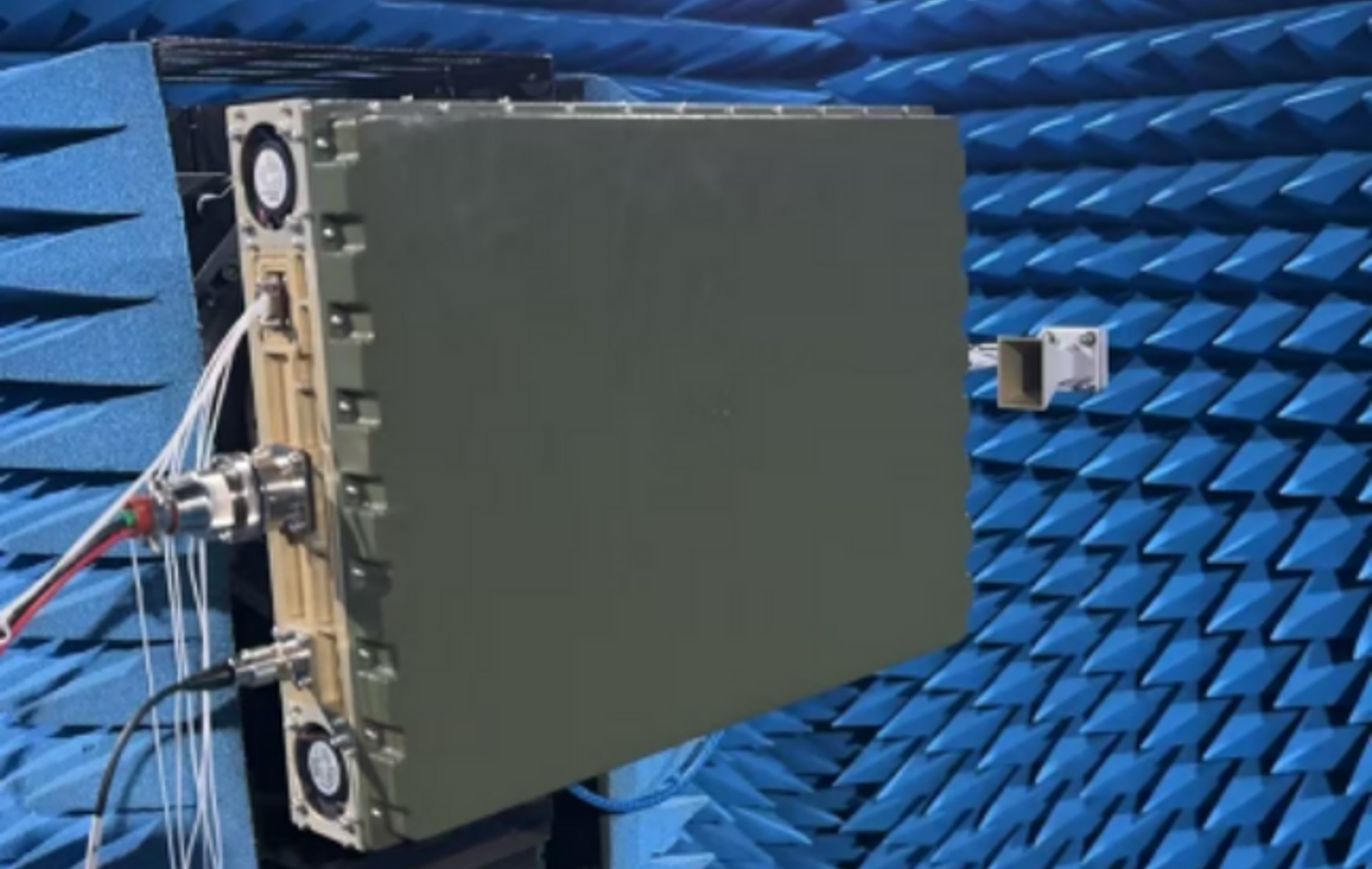
The radar uses a two-dimensional phase array technology system and operates in a two-dimensional phase scanning mode, enabling multiple beam forms for flexible space-time resource allocation. This improves radar resource utilization efficiency. The higher tracking data rate enhances the radar's ability to stably track high-speed targets and provide accurate target indication. The radar adopts a chip array architecture, featuring a simple structure with strong scalability and reconfigurability. It offers high spatial freedom and strong resistance to active interference. Its system architecture consists of an "active array + software-based operating platform."
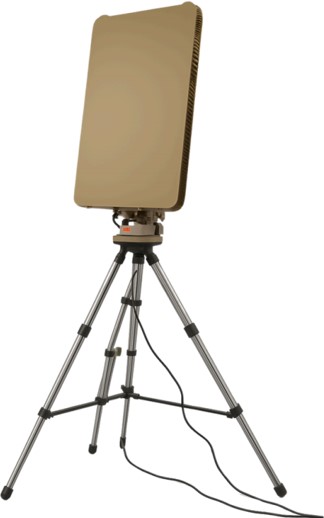
The Moving Target Surveillance Radar adopts azimuth mechanical scanning and digital beamforming in elevation. It enables all-weather, round-the-clock continuous detection and tracking of moving targets within a designated area. The radar features high detection sensitivity, low false alarm rate, and excellent accuracy.
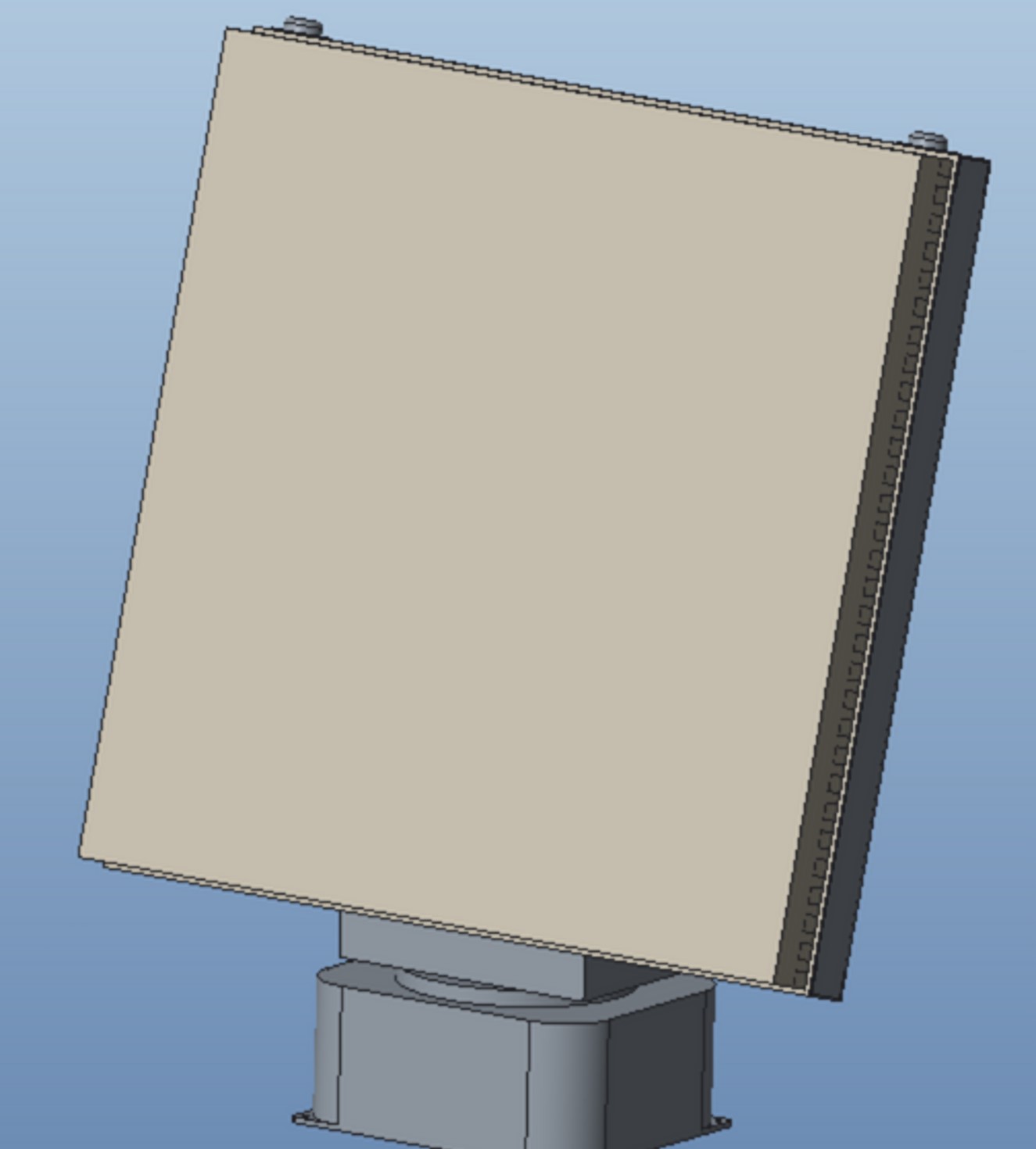
S-Band Air Surveillance Radar is primarily used for detecting, measuring, and providing early warning for airborne targets such as aircraft. The radar features an azimuth mechanical scanning and elevation DBF (Digital Beam Forming) system, with 360° detection capability in azimuth and a detection range of -5° to 45° in elevation. The radar is designed with a software-based architecture, offering multiple operating modes, and is capable of rapid deployment and retraction.
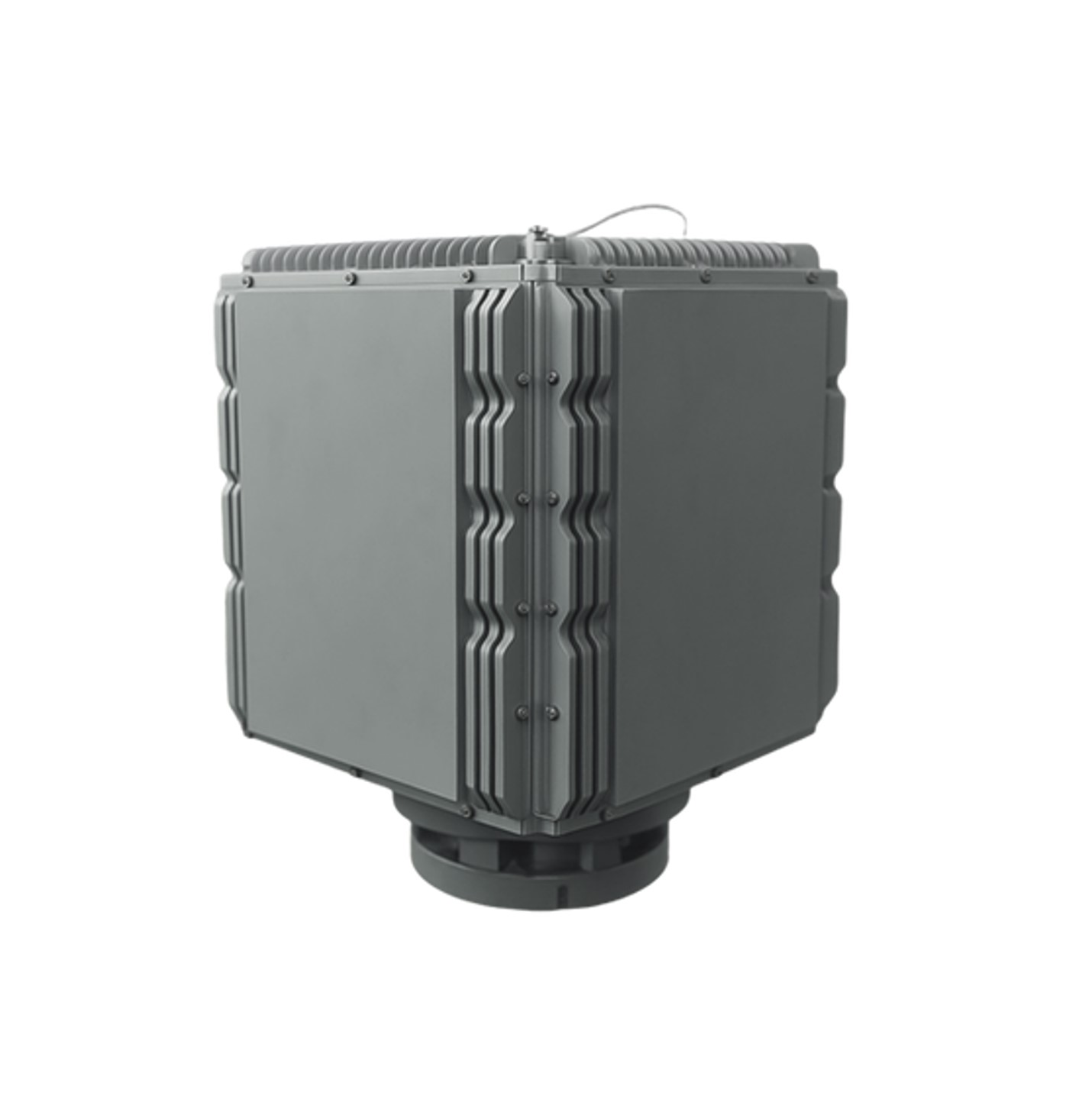
The Four-Sided Array Moving Target Surveillance Radar utilizes a Digital Beamforming (DBF) system. It can continuously detect and track moving targets within a designated area under all weather and all-time conditions. The radar offers high detection sensitivity, low false alarm rate, and high precision.
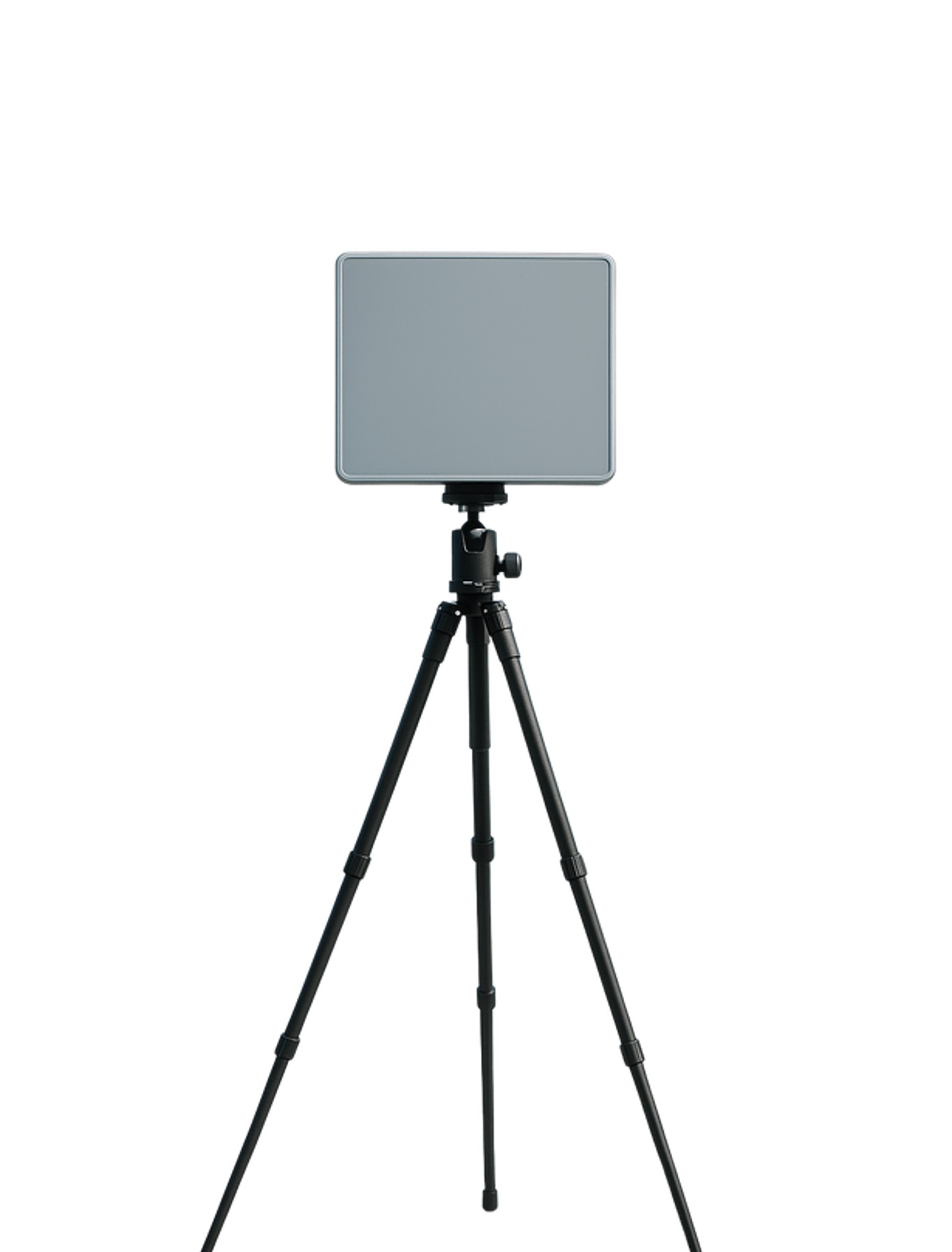
The Moving Target Surveillance Radar uses an Active Electronically Scanned Array (AESA) system and is capable of continuous detection and tracking of moving targets within a designated area, under all-weather, all-time conditions. It offers high detection sensitivity, low false alarm rates, and exceptional accuracy.






Mobile Applications